
Termites
Termites in the Top End cause more property damage than any other pest in northern Australia. They are silent, they are persistent, and they are the reason most Top End property owners take active pest management seriously rather than reactively. Standard home insurance in Australia typically excludes termite damage. The cost of getting this wrong runs into five and six figures.
Termites in the Top End
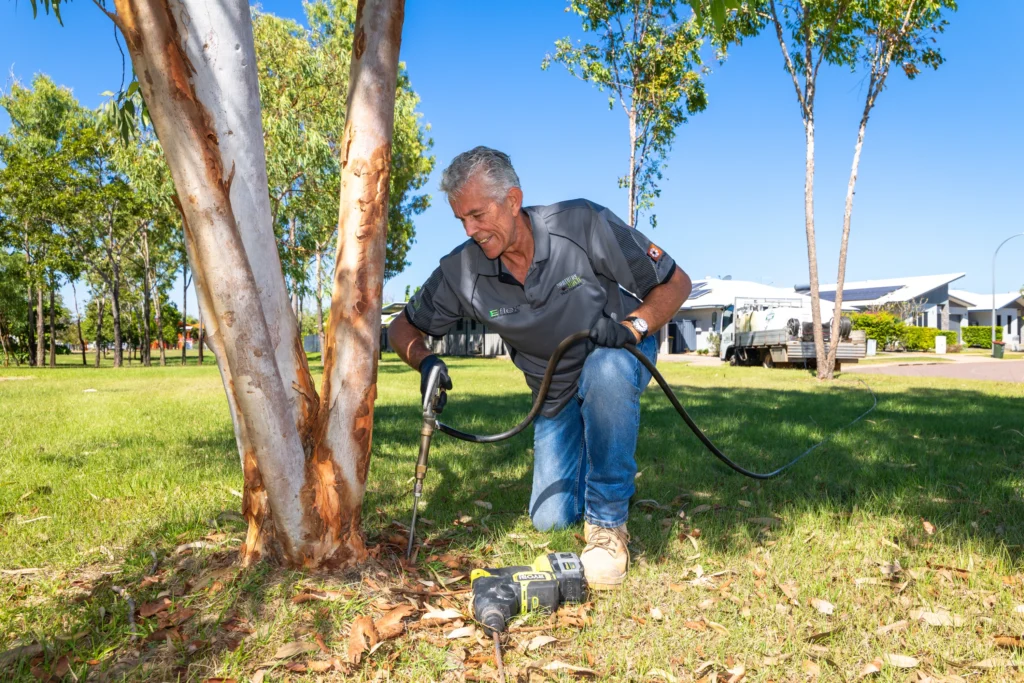
The Top End is one of the most termite-dense regions in Australia. Termite species in northern Australia are highly diverse and active year-round, supported by the warm climate and the wet-and-dry seasonal cycle.
The species you are most likely to encounter on a Top End property are subterranean termites that build nests underground or within timber. They feed on cellulose, which means anything wood-based on or near the property is at risk: structural timbers, sub-floor framing, wall cavities, fence posts, garden timbers, retaining walls, and sometimes the books and cardboard in storage spaces.
Drywood termite species also occur in the Top End, typically affecting the upper levels of buildings and infesting timber that doesn’t have ground contact.
Identification
What Termites Look Like
If you see flying ant-like insects in your home around the start of the wet season, especially around lights at night, that is most likely a termite swarming flight, not a regular ant migration.
Workers
The most commonly spotted. Pale in colour, only a few millimetres long. They do the foraging and feeding.
Soldiers
Distinguished by large mandibles and darker-coloured heads. Their job is to defend the colony against predators (often ants).
Reproductives
Winged and brown-skinned, with fully developed eyes. These are the alates that swarm during the wet season to start new colonies.
Warning Signs
Signs of Termite Activity
If you find any of these, do not disturb the activity. Disturbance can drive the colony deeper into the structure or cause it to relocate. Call us first.
Mud tubes
Pencil-thin to finger-thick galleries running up walls, slab edges, foundation piers, or the inside of sub-floor spaces. Usually the most reliable single sign.
Hollow-sounding timber
Tap door frames, skirting boards, or structural timber. If it sounds hollow when it shouldn’t, termites may have eaten the inside.
Frass
Drywood termite droppings, which look like fine sawdust or sand pellets, often piled below an infested timber.
Sagging floors or doors that suddenly stick
Structural timber that has lost integrity.
Discarded wings
Reproductives shed their wings after swarming. Piles of clear wings on windowsills or near light fittings often signal a recent swarming event.
Visible damage in older timber
Check garden timbers, fence posts, and any wood in ground contact. These are where colonies often establish before moving to the house itself.
Action Plan
What to Do If You Find Termites
Don't disturb the activity
Don’t break the mud tubes open, don’t spray retail termite product on the colony, don’t move infested timber. All of these can make the problem worse.
Book an inspection
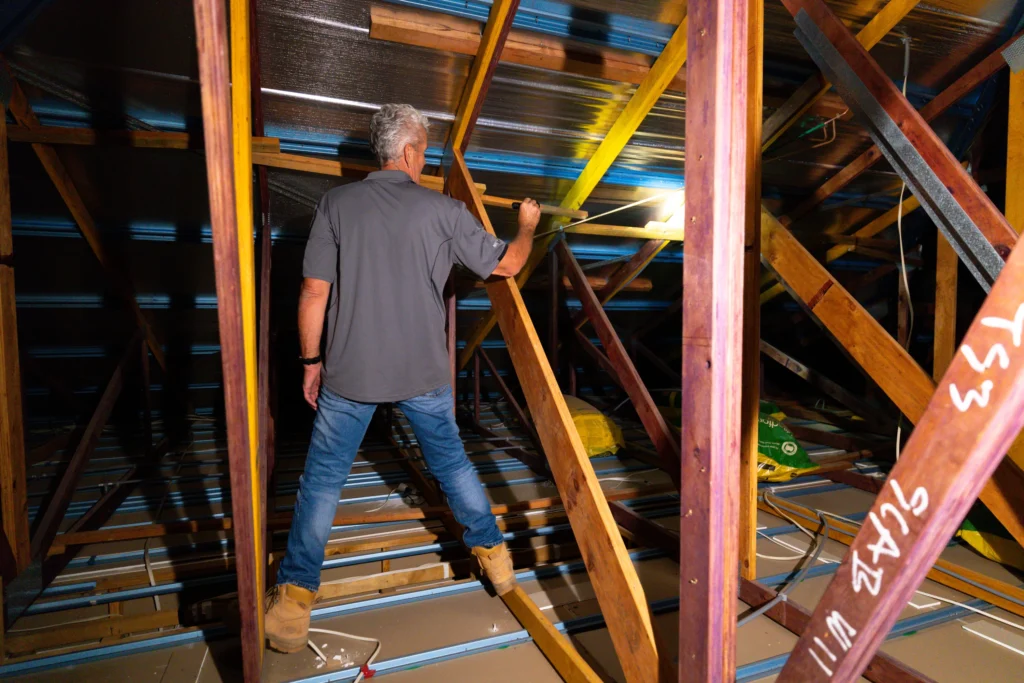
A termite inspection is non-invasive; we work visually and with hand-held tools. The inspector documents what’s there, identifies the species, assesses the extent, and gives you a written report with treatment options.
Decide on treatment
Treatment options vary by species, location of the colony, and whether the property has an existing termite system. We will quote what’s appropriate for your situation. No pressure to commit on the day.
Northern Rock Can Help
Visual Termite Inspection
Rural areas may incur a small additional travel and access charge. Remote areas require a custom quote.
Senior & Defence Discount
Why Annual Inspections Matter
Termite pressure in Darwin and across the Top End is consistently elevated year-round. Many Top End homes have construction features that increase risk: timber sub-floors, slab penetrations, garden timbers against walls, sub-floor moisture from wet-season ground saturation. Many older homes were built before current termite barrier standards.
An annual termite inspection is the cheapest piece of insurance available on a Top End property. The cost of an inspection is a fraction of any remediation bill that wouldn’t be covered by home insurance.
If your property has an existing chemical termite system or barrier, ongoing renewal keeps the system live and the chemical barrier effective.
Building or Buying a Top End Property?
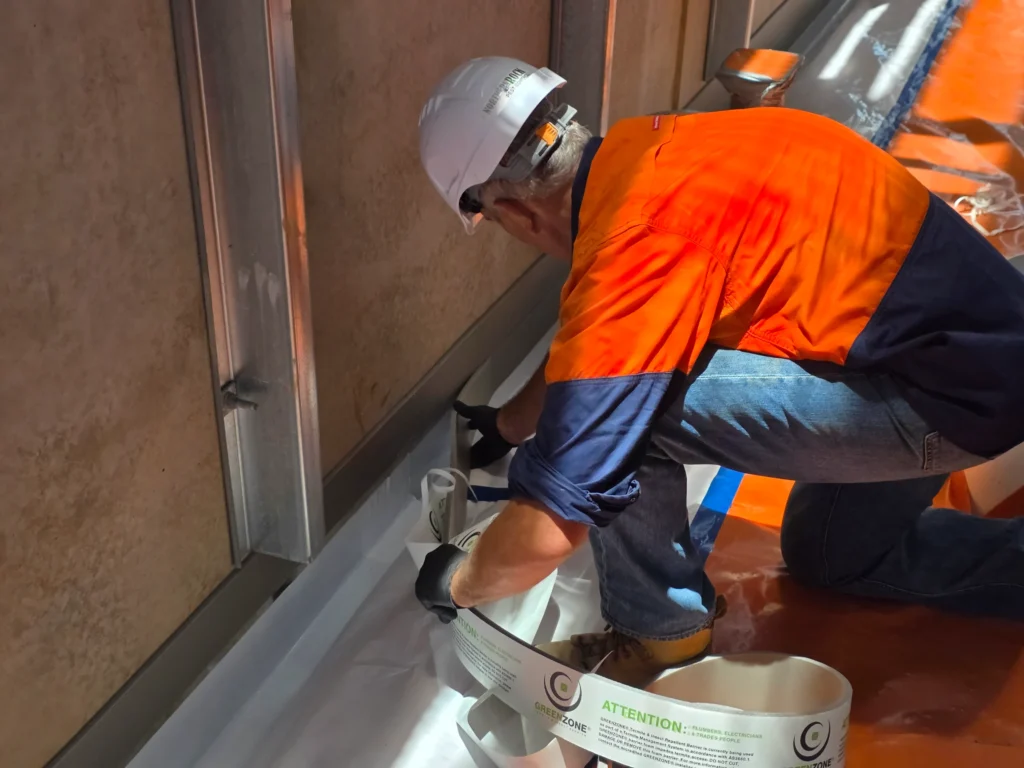
Pre-purchase pest inspections (for buyers at settlement) and pre-construction termite treatments (for builders) both feed into long-term termite protection. Get the property assessed before you commit, and get the system in place before the slab pour.
We are FMC Accredited Operators using FMC termiticides as our standard for construction treatments.
Questions
Common questions about termites around Darwin and the Top End.